The Giant Swing: Bangkok's Most Dramatic Landmark, and the Ritual Behind It
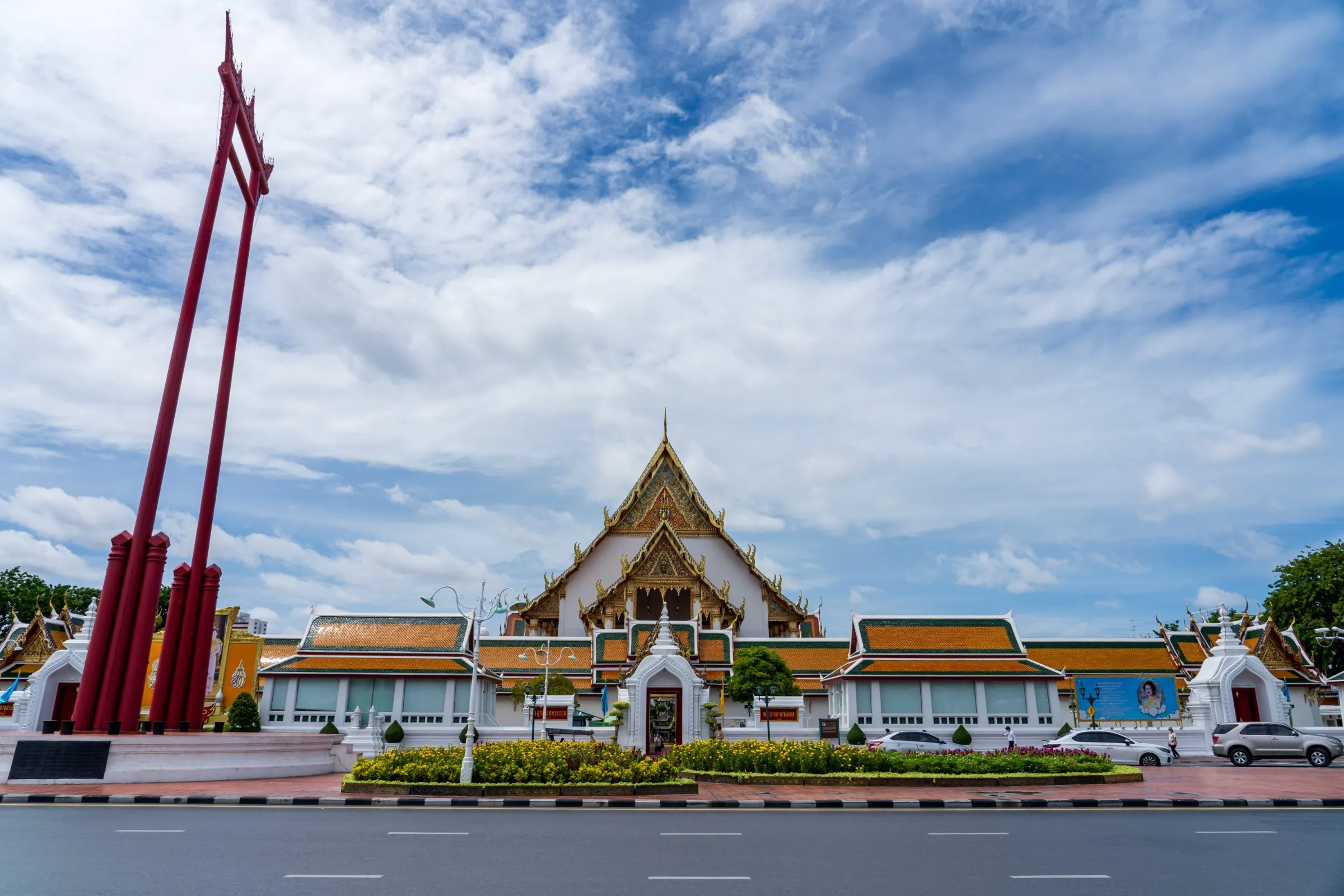
The Giant Swing Bangkok keeps in the middle of a traffic circle outside Wat Suthat is the most visually arresting object on the Old Town route: two enormous teak pillars, painted deep red, carrying an ornate crossbar about twenty metres up, standing in the open with nothing else like it anywhere in the city. Most visitors photograph it and move on without learning what it was for — which is a shame, because the ceremony it was built for is one of the most extraordinary things that ever happened in Bangkok.
What Actually Happened Here
Sao Ching Cha was built in 1784, two years after the founding of the capital, for an annual Brahmin ceremony that marked the rice harvest and honoured Shiva's descent to earth.
Teams of men climbed onto a swing suspended from that crossbar and were swung in enormous arcs, rising towards the top of the structure — some twenty metres above the ground. At the peak of the arc, one man would attempt to catch a bag of silver coins, hung from a pole, using his teeth.
Why It Was Stopped
For the reason you would expect. The ceremony carried a real and repeated death toll, and in the 1930s it was banned during the reign of Rama VII.
The structure remained as a monument. The teak pillars standing today are a replacement — the original timber deteriorated over two centuries, and the current pillars were installed in the 2000s using golden teak, with the old ones preserved at the Bangkok National Museum, another landmark on the same route.
Wat Suthat Behind It
The swing stands directly in front of Wat Suthat Thepwararam, one of Bangkok's oldest and most important temples, begun under Rama I and completed under Rama III. Its viharn is among the tallest in the city, and it holds Phra Sri Sakyamuni, a large Sukhothai-era bronze Buddha brought down from the north.
Together they form one of the best-composed sights in Bangkok: the bright red frame in the foreground, the temple's long roofline directly behind it. It is one of the few landmarks in the city that arrives pre-framed for a photograph — see Bangkok photo spots for the timing.
What to Expect: The Swing on the Route
The Giant Swing is landmark eighteen on the Thai Bus Food Tour route, with Wat Suthat immediately after it, which means the guide tells the ceremony's story with the structure itself in view through the window.
The 1.5-hour journey departs River City Bangkok, Room 163, and passes more than 20 landmarks — Hua Lamphong, Wat Traimit, the Yaowarat Gate, Chinatown, the Golden Mount, Loha Prasat, Democracy Monument, Phra Sumen Fort, the National Museum, Sanam Luang, the Grand Palace, Wat Arun, Wat Pho, Wat Phra Kaew, the Ministry of Defence, the Giant Swing, Wat Suthat and Wat Mangkon.
Four rounds run daily: Wonder Lunch 11:30 AM, Sightseeing Afternoon Tea 2:00 PM, Dinner Thai Set 5:30–7:00 PM at 1,890 THB per person, and Bangkok Nightlife 7:30 PM. The swing is lit after dark, and the evening rounds catch it at its most dramatic. For how it connects to everything else in the Old Town, see the best Bangkok sightseeing tour.
One local note: the area around the swing is also Bangkok's traditional district for Buddhist religious supplies, so the surrounding shophouses sell monks' robes, alms bowls and large Buddha images — a genuinely unusual streetscape.
Tips for Visiting
The swing sits in a traffic circle, so cross carefully and photograph from the pavement rather than the road. Early morning and after dark are the best light. Wat Suthat behind it is open to visitors and far quieter than the Grand Palace or Wat Pho, making it one of the more peaceful major temples in the Old Town — cover shoulders and knees to go inside. And look at the shophouses around the square; the religious supply trade here is a sight in itself.
A Monument to a Ceremony Nobody Sees Anymore
The Giant Swing Bangkok preserved in the Old Town is not a decoration. It is the last physical trace of a ritual that ran for a century and a half and was finally stopped for being too dangerous — which is exactly the kind of story a landmark should come with.
Want the Old Town's stories told as you pass them? 🎟️ Book your seat on the Thai Bus Food Tour. Reserve your round now →
Frequently Asked Questions
An annual Brahmin ceremony marking the rice harvest, in which men swung on a platform roughly twenty metres up and tried to catch a bag of coins in their teeth.
Because of the deaths it caused. It was prohibited in the 1930s during the reign of Rama VII, and the structure was kept as a monument.
The teak pillars stand roughly twenty metres high. The current pillars are a 2000s replacement in golden teak; the originals are at the Bangkok National Museum.
Wat Suthat Thepwararam, one of Bangkok's oldest and grandest temples, home to the Sukhothai-era Phra Sri Sakyamuni Buddha.
More from the blog
Bangkok Dinner Cruise or Dining Bus? An Honest Comparison
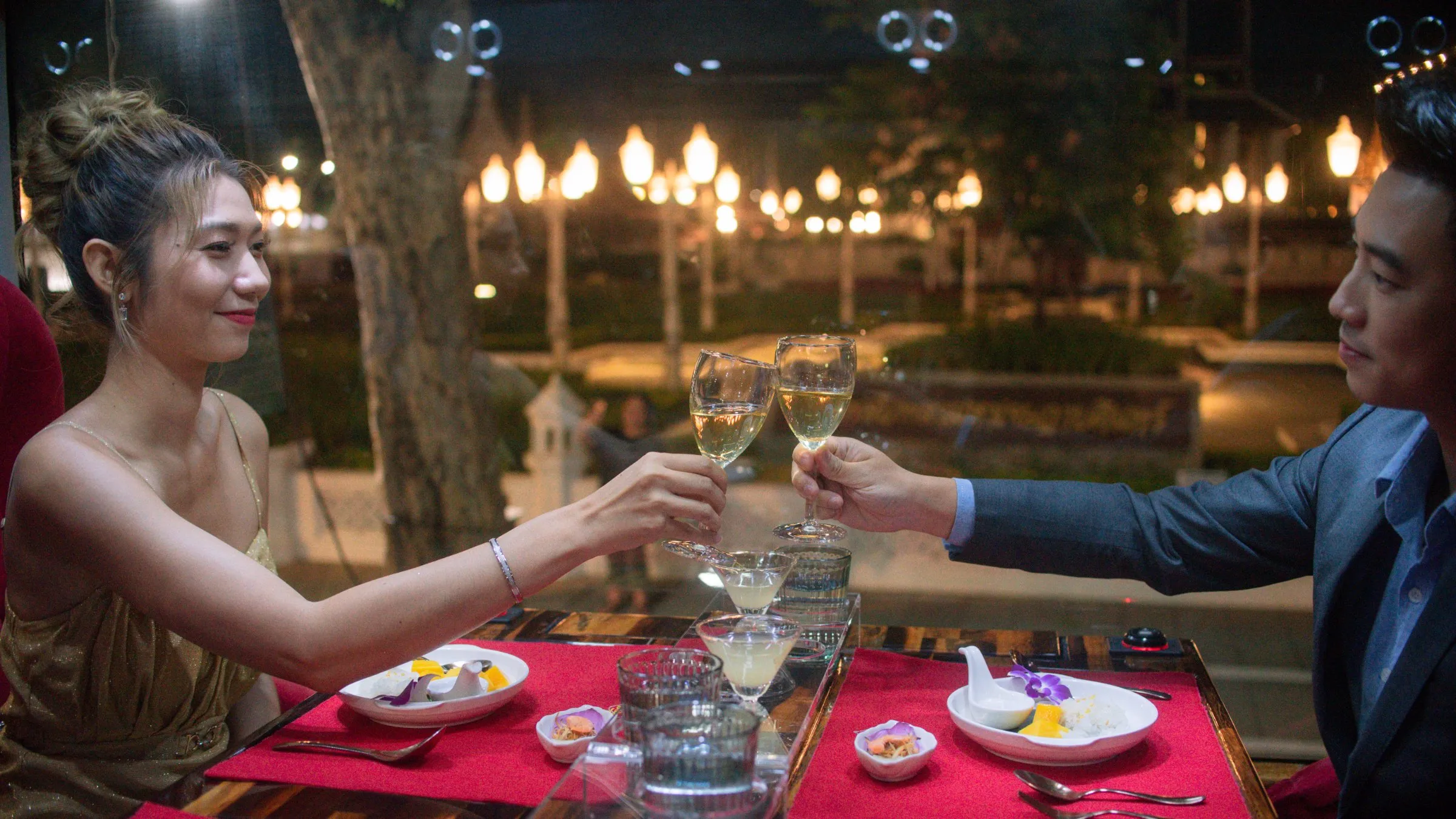
Both serve dinner with a view of Bangkok. They show you almost entirely different cities, and the right answer depends on which one you came to see.
Read more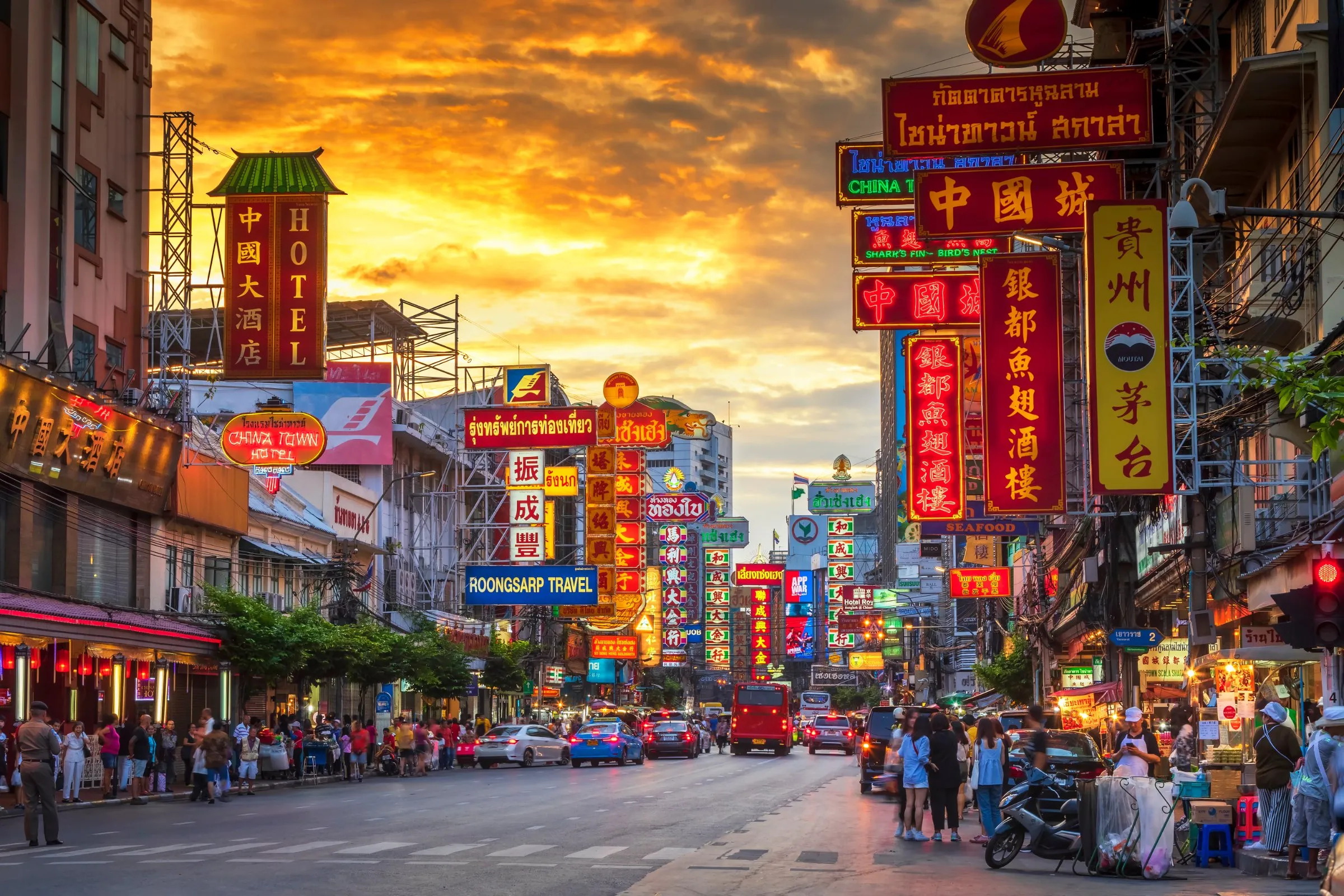
Bangkok Layover: What You Can Actually Do in Six Hours
A six-hour layover is not six hours in Bangkok. Subtract immigration, transfers and a safe buffer and you are left with two or three — here's what fits.
Read more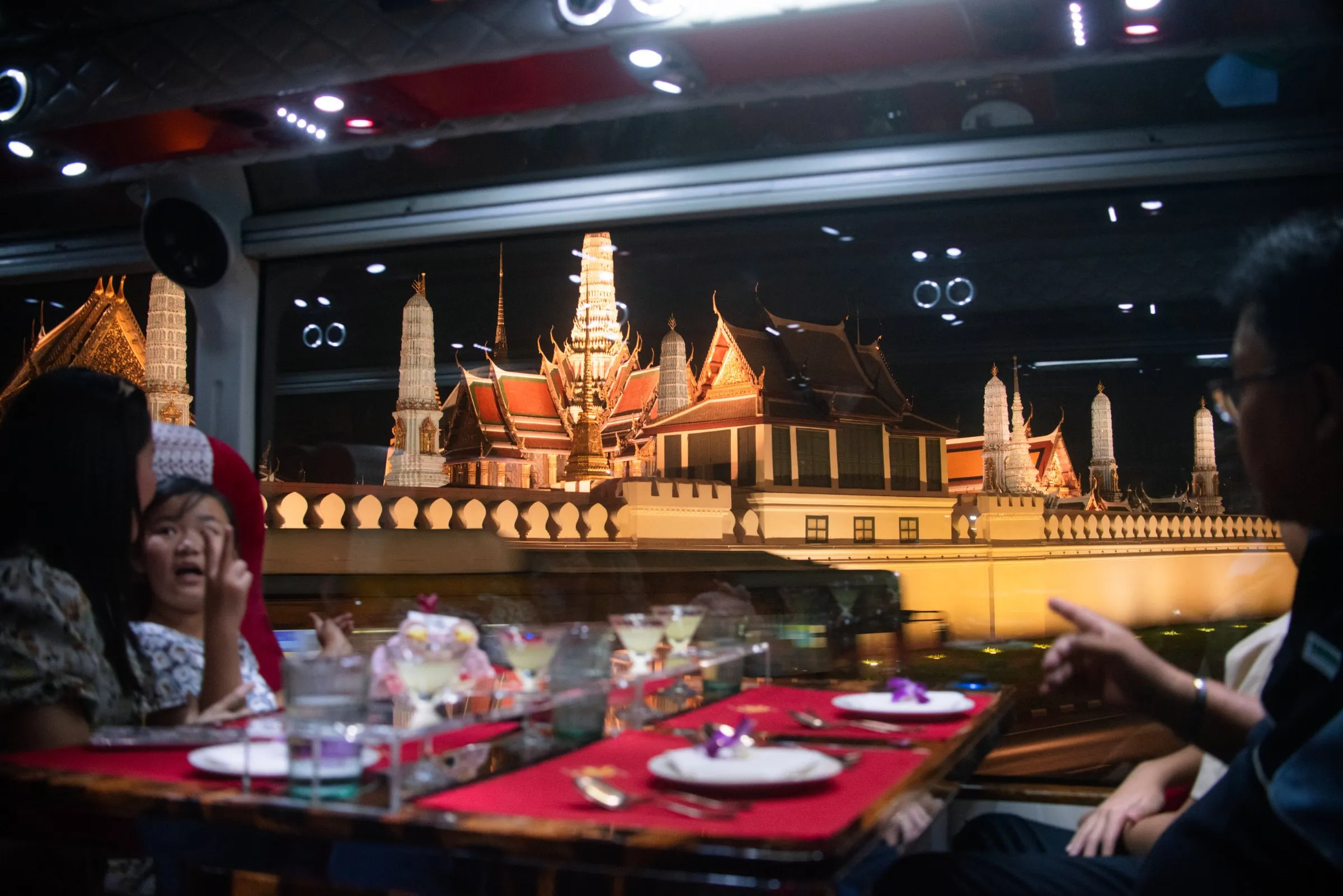
Bangkok Photo Spots: Where the Old Town Actually Looks Best
Everyone shoots the same rooftops. The Old Town's best frames come from street level after dark — and from one vantage point most photographers never get to use.
Read more