The Golden Mount and Loha Prasat: Bangkok's Two Strangest Landmarks
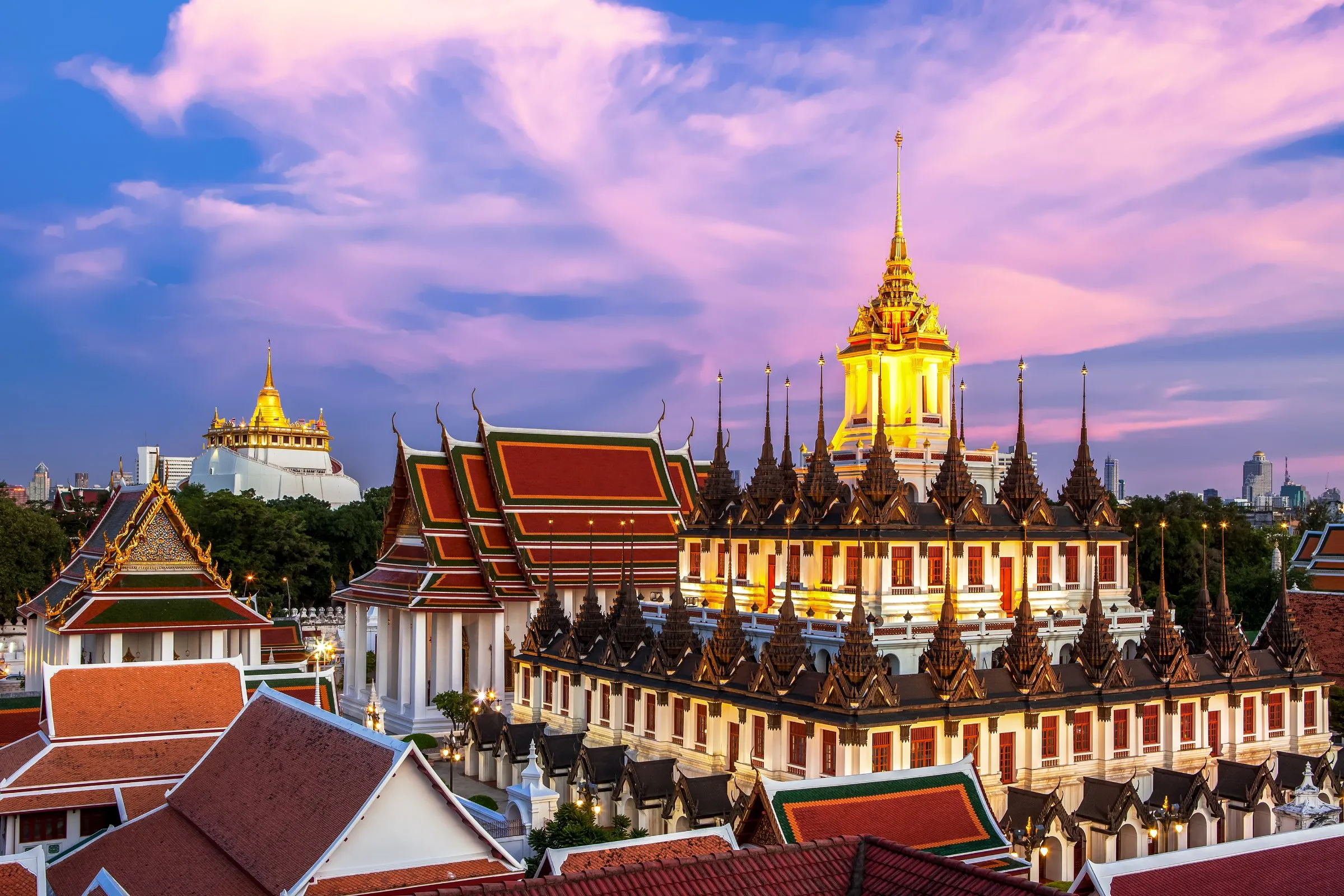
Bangkok is famously, relentlessly flat — which makes the Golden Mount Bangkok all the stranger. A green hill rises out of the Old Town with a gold chedi on top, visible from streets away, and it is entirely artificial. A few hundred metres along the same avenue stands something rarer still: Loha Prasat, a castle of 37 metal spires that has only two known ancestors in the history of Buddhist architecture, both of them long gone. These two landmarks sit within sight of each other and are routinely skipped by visitors heading for the palace.
The Hill That Collapsed and Became a Mountain
In the early nineteenth century, Rama III ordered a great chedi built at Wat Saket. The ground was soft river silt, and the structure collapsed under its own weight. Rather than clear the ruin, later reigns let it settle, planted it over, and reinforced it into a hill — and Rama V crowned the result with a gilded chedi housing a Buddha relic. What began as a construction failure became the Old Town's only high ground. Three hundred and some steps spiral to the top, past bells and shaded landings, ending at a terrace with the best 360-degree view of Rattanakosin.
Every November, during Loy Krathong, the mount is wrapped in red cloth and lit with candles for one of Bangkok's oldest temple fairs.
The Last Metal Castle
Loha Prasat, in the grounds of Wat Ratchanatdaram, was built by Rama III in the 1840s and is unlike anything else in Thailand. Its 37 metal spires represent the 37 virtues leading to enlightenment, arranged in tiers over a square base of concentric meditation corridors. Only two loha prasat had been built before, in ancient India and Sri Lanka, and neither survives — which makes this one the only standing example in the world. Restored and regilded in recent years, it is now a deep, glowing black-gold at night.
What to Expect: Both, Without the 300 Steps
The Golden Mount rewards the climb, but on a hot afternoon it is a serious one. Our 1.5-hour route passes both landmarks from the road — the mount rising ahead, Loha Prasat's tiered spires alongside Ratchadamnoen — with a live guide explaining each as it comes into view and Michelin-listed street food served at your table.
Departing River City Bangkok (Room 163), the route runs through Rattanakosin Old Town past more than 20 landmarks, including the Grand Palace, Wat Pho, Wat Arun, Democracy Monument, the Giant Swing and Yaowarat. Four rounds run daily: Wonder Lunch (11:30 AM), Sightseeing Afternoon Tea (2:00 PM), Dinner Thai Set (5:30 PM) and Bangkok Nightlife (7:30 PM) — the evening rounds catch both landmarks illuminated. See the full Old Town guide for how they fit with everything else.
Tips for Visiting
Climb the Golden Mount early morning or late afternoon; midday on those steps is punishing. The staircase is shaded in parts and there are places to stop, so it's manageable for most fitness levels if you take it slowly. Loha Prasat's upper terrace is worth the climb too, and far shorter. Both are working temples — cover shoulders and knees. And if you're here in November, the Golden Mount's candlelit festival is the single most atmospheric night in the Old Town.
Two Landmarks Worth Slowing Down For
The Golden Mount Bangkok and Loha Prasat are what happens when a city's failures and ambitions both get preserved: a collapsed chedi turned into a mountain, and the last surviving example of an architectural form the world otherwise forgot.
Want them explained as you pass? 🎟️ Book the Thai Bus Food Tour. Reserve your Old Town round →
Frequently Asked Questions
It's man-made. A collapsed chedi at Wat Saket was left to settle, planted over and reinforced into a hill, then topped with a gilded chedi by Rama V.
Just over three hundred, spiralling around the hill with shaded landings and bells on the way up.
Its 37 metal spires represent the 37 virtues leading to enlightenment. Only two such structures were built before, in India and Sri Lanka, and neither survives — this is the world's only standing metal castle.
Yes. Both are visible from Ratchadamnoen Avenue, and our route passes them with the history narrated as you go.
More from the blog
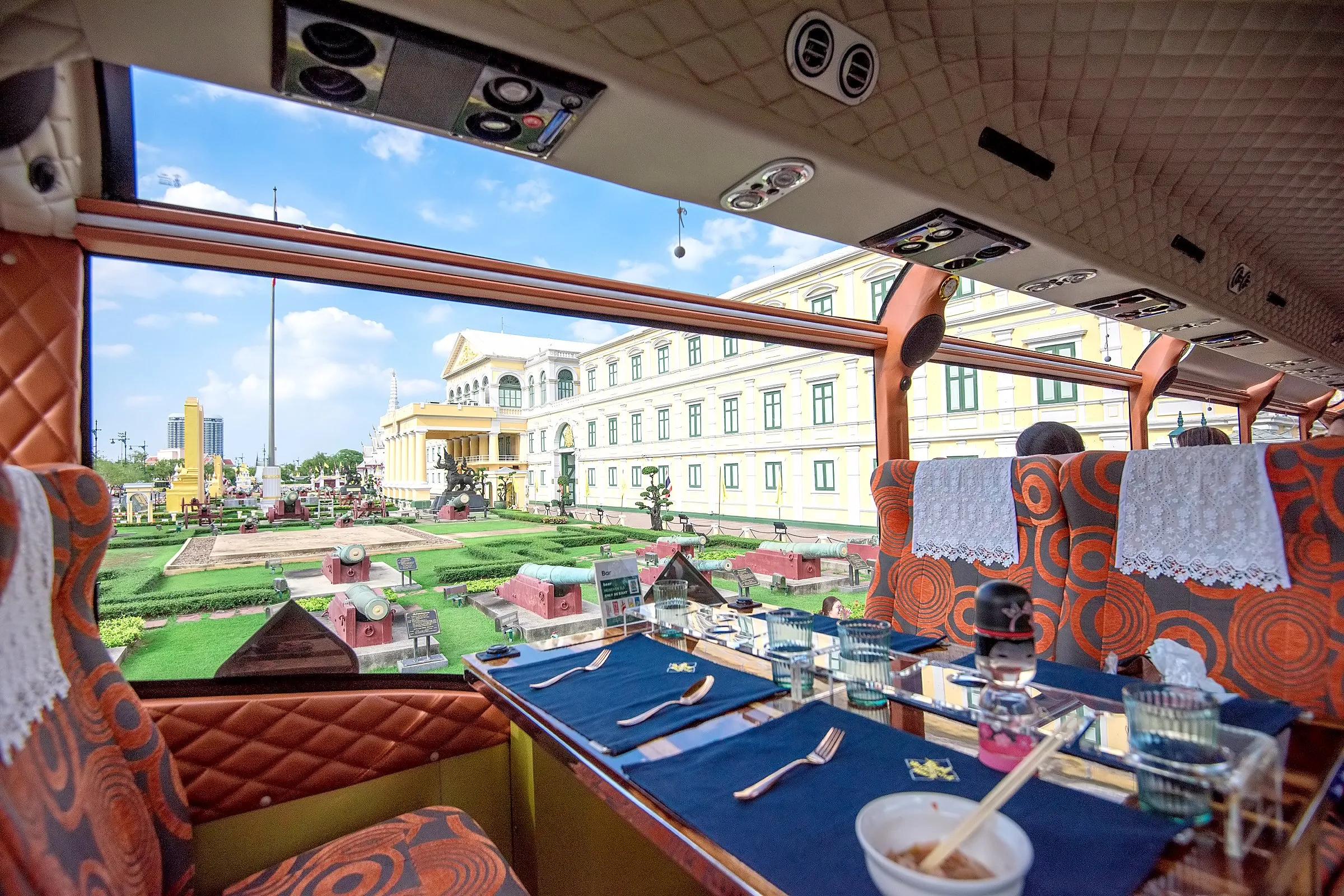
Afternoon Tea in Bangkok, Except the View Comes With You
Every afternoon tea in Bangkok offers the same thing: a lounge, a tiered stand, and a view that stays put. This one takes the view with it, past twenty landmarks.
Read more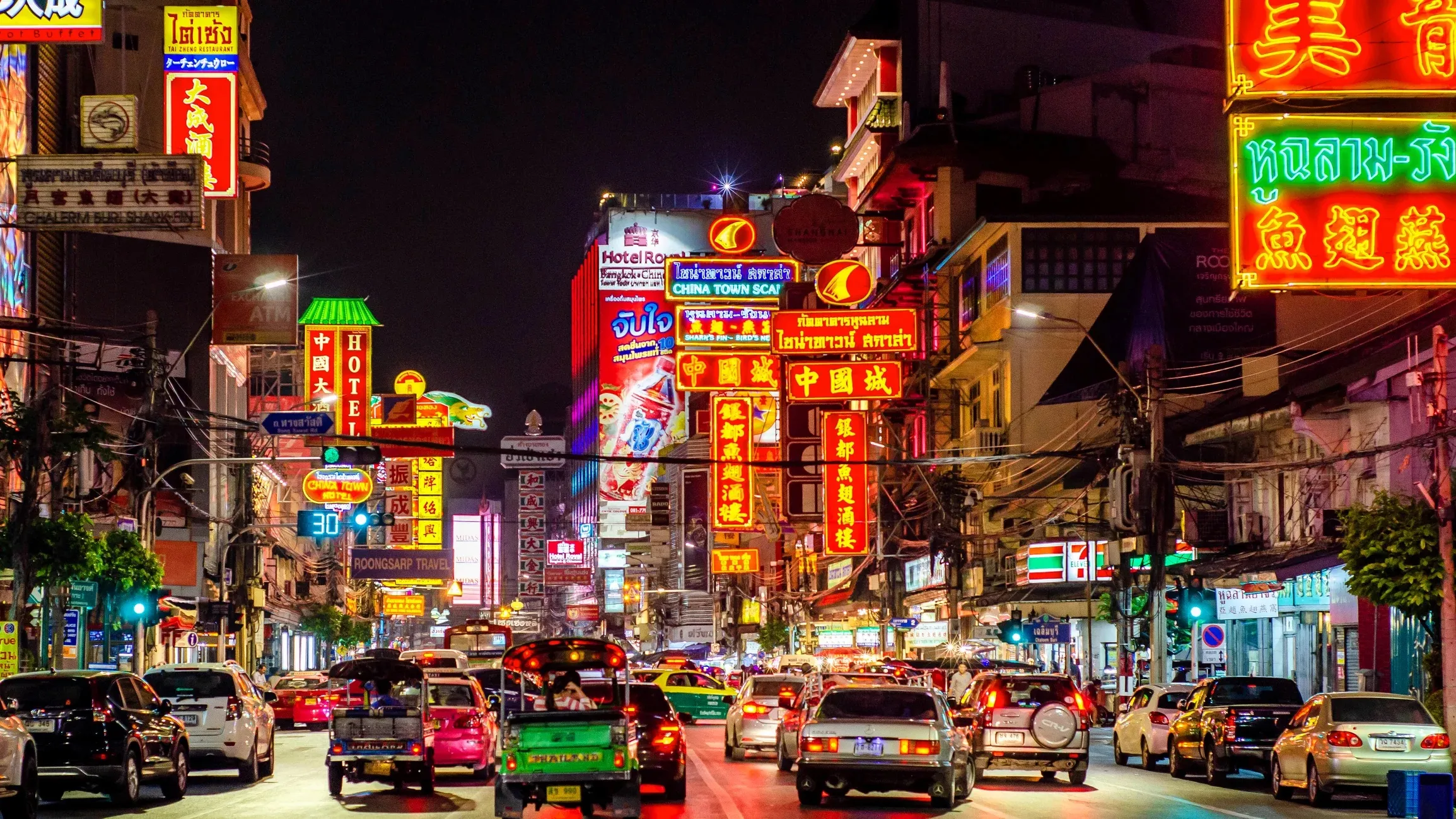
Bangkok Chinatown History: How Yaowarat Became the City's Most Delicious Street
Yaowarat exists because a king needed the land it stood on. Two and a half centuries later it's Bangkok's densest, brightest, most delicious street — here's how that happened.
Read more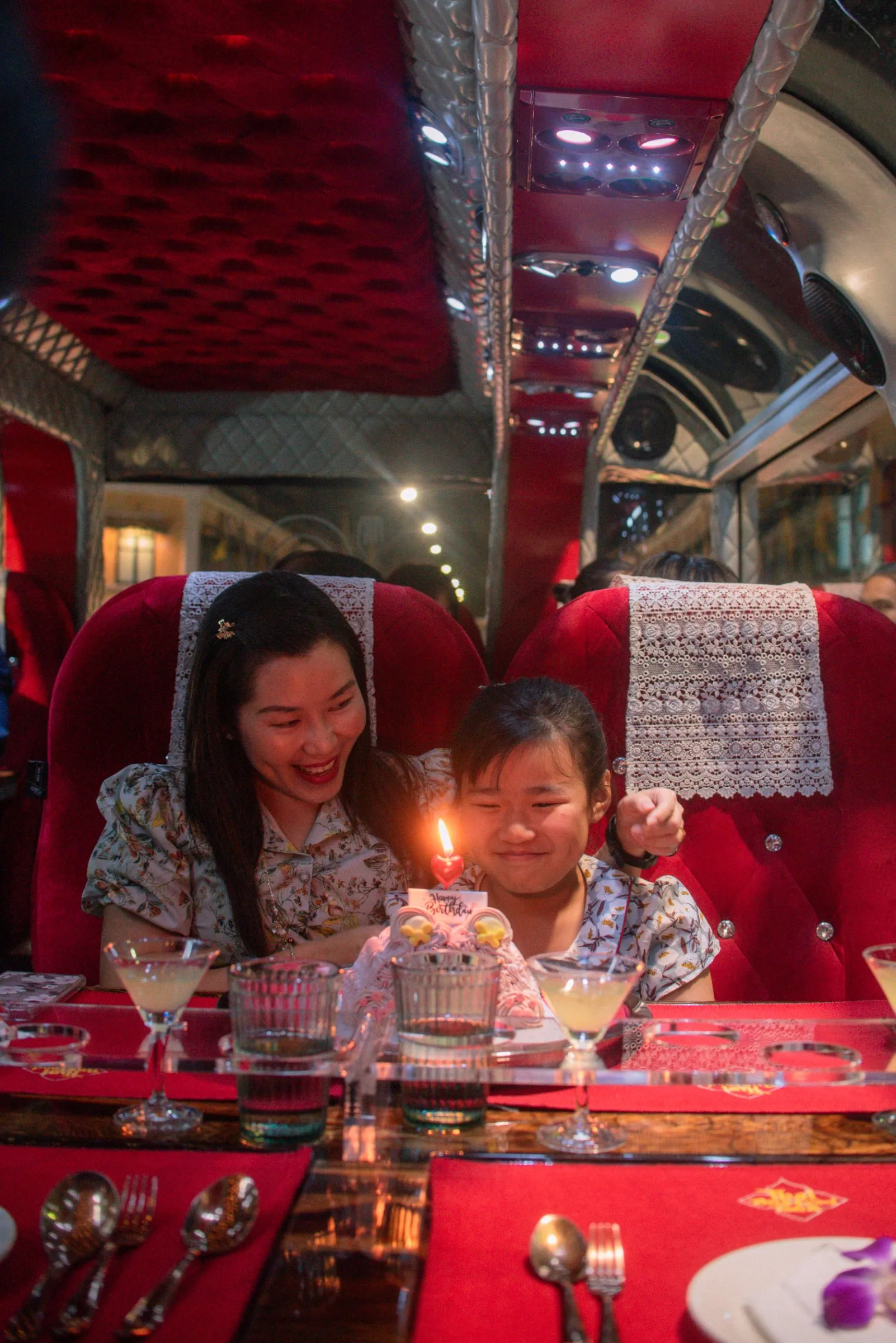
Birthday Dinner in Bangkok: The Celebration That Goes Somewhere
The problem with a birthday dinner is that everyone's been to the restaurant before. This one moves through the Old Town, so the evening has somewhere to go.
Read more