Wat Pho Bangkok: The Reclining Buddha, the Feet, and the First Thai Massage School
Of all the temples in the Old Town, Wat Pho Bangkok is the one people describe with their hands — because there is no other way to convey the scale of what's inside. The Reclining Buddha is 46 metres long and 15 metres high, gold-leafed from head to foot, and housed in a hall built so tightly around it that you can never see the whole figure at once. You walk its length instead. It is Bangkok's oldest temple, its most surprising one, and the reason traditional Thai massage exists in the form it does today.
Older Than Bangkok Itself
A temple stood here before Rama I founded the capital in 1782. He rebuilt and expanded it as the first royal temple of the new city, and Rama III enlarged it again in the 1830s, adding the Reclining Buddha and turning the grounds into something closer to a campus than a monastery.
Thailand's First Public University
That expansion had a purpose. Rama III had the temple walls, pillars and pavilions inscribed with the accumulated knowledge of the kingdom: medicine, astrology, literature, history, and above all the theory and practice of traditional massage — the sen energy lines, the pressure points, the treatments. At a time when few Thais could access formal education, Wat Pho was deliberately built as a place where anyone could come and read the walls. It is widely described as Thailand's first public university, and its massage school still operates on the grounds today.
The Feet Are the Best Part
Most visitors photograph the Buddha's face and miss the real masterpiece at the other end. The soles of the feet — three metres tall each — are inlaid with mother-of-pearl, divided into 108 panels depicting the auspicious characteristics by which a true Buddha is identified. It is some of the finest craftsmanship in Thailand, and it sits where most people never think to look.
What to Expect: Wat Pho on the Route
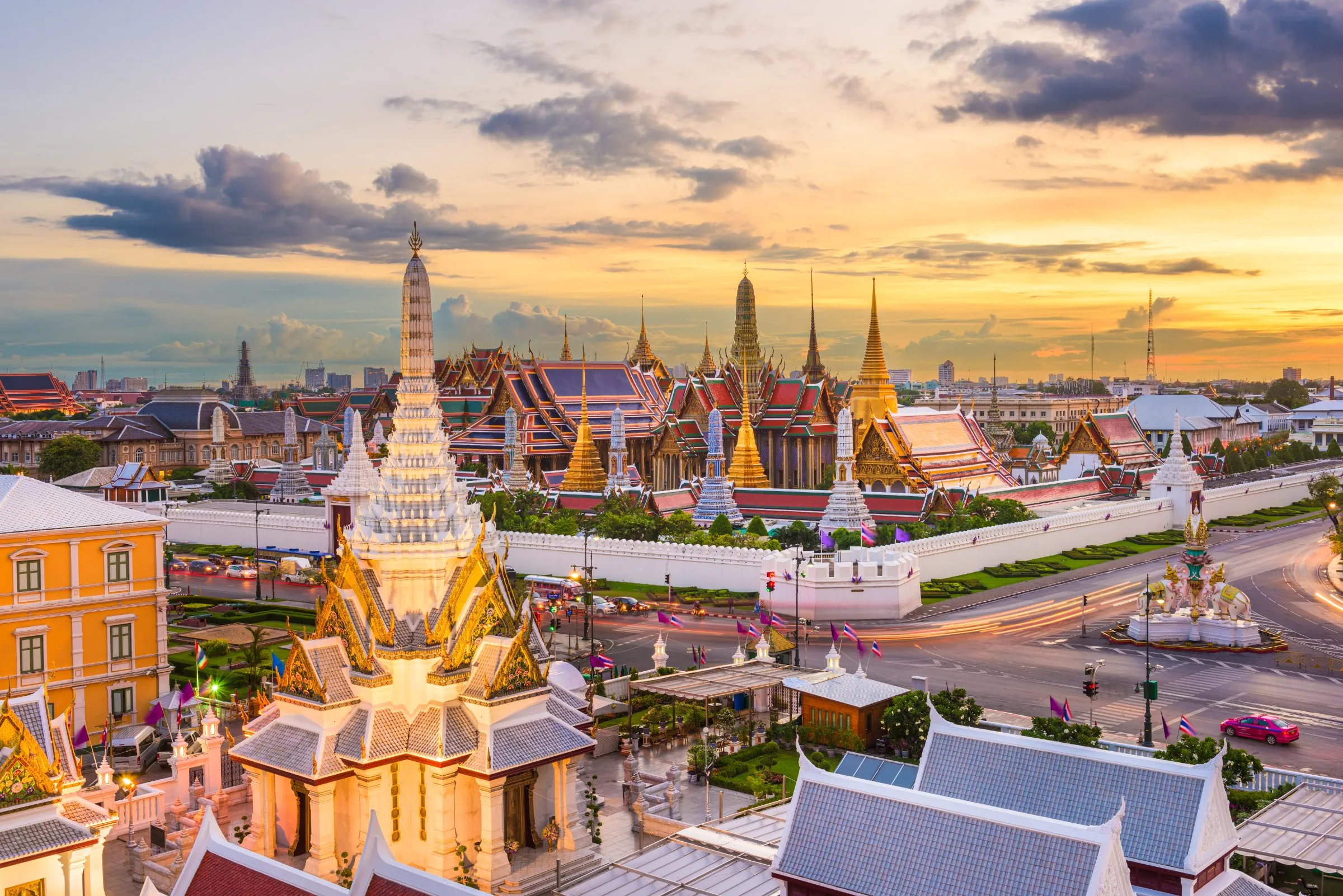
Wat Pho sits immediately south of the Grand Palace, and our 1.5-hour loop passes both. Departing River City Bangkok (Room 163), the route runs through Rattanakosin Old Town past more than 20 landmarks — Wat Pho, the Grand Palace, Wat Phra Kaew, Wat Arun across the river, the Giant Swing, Wat Suthat, Loha Prasat and the Golden Mount among them — with a live guide telling the story behind each one as it appears, and Michelin-listed street food served at your table.
Four rounds run daily: Wonder Lunch (11:30 AM), Sightseeing Afternoon Tea (2:00 PM), Dinner Thai Set (5:30 PM) and Bangkok Nightlife (7:30 PM). If the Grand Palace is also on your list, read our guide to seeing it from outside, and see the full Old Town overview for how everything connects.
Tips for Visiting Wat Pho
Go at opening time if you want the hall to yourself — by mid-morning the walkway beside the Buddha is a slow-moving queue. Shoulders and knees must be covered. Buy a bowl of coins on the way in and drop them into the 108 bronze bowls along the back wall; it takes a few minutes and it's the best small ritual in Bangkok. And if your legs are finished by then, the massage school on site is not a tourist gimmick — it's the source.
The Temple That Taught the Country
Wat Pho Bangkok is not just the temple with the big Buddha. It's a library carved into walls, a medical school, and the place where a kingdom decided that knowledge should be free to anyone who could walk in and look up.
Want the Old Town's stories told as you pass them? 🎟️ Book your seat on the Thai Bus Food Tour. Reserve your Old Town round →
Frequently Asked Questions
Forty-six metres long and fifteen metres high, covered in gold leaf, with feet three metres tall inlaid with mother-of-pearl.
It's where the tradition was formally recorded and taught. Rama III had massage knowledge inscribed on the temple's walls and pillars in the 1830s, and the school founded there still teaches today.
The auspicious characteristics by which a true Buddha is identified, rendered in mother-of-pearl inlay.
The Reclining Buddha itself is indoors, but the temple's chedis, walls and gates are striking from the road — and our route passes them with the history narrated.
More from the blog
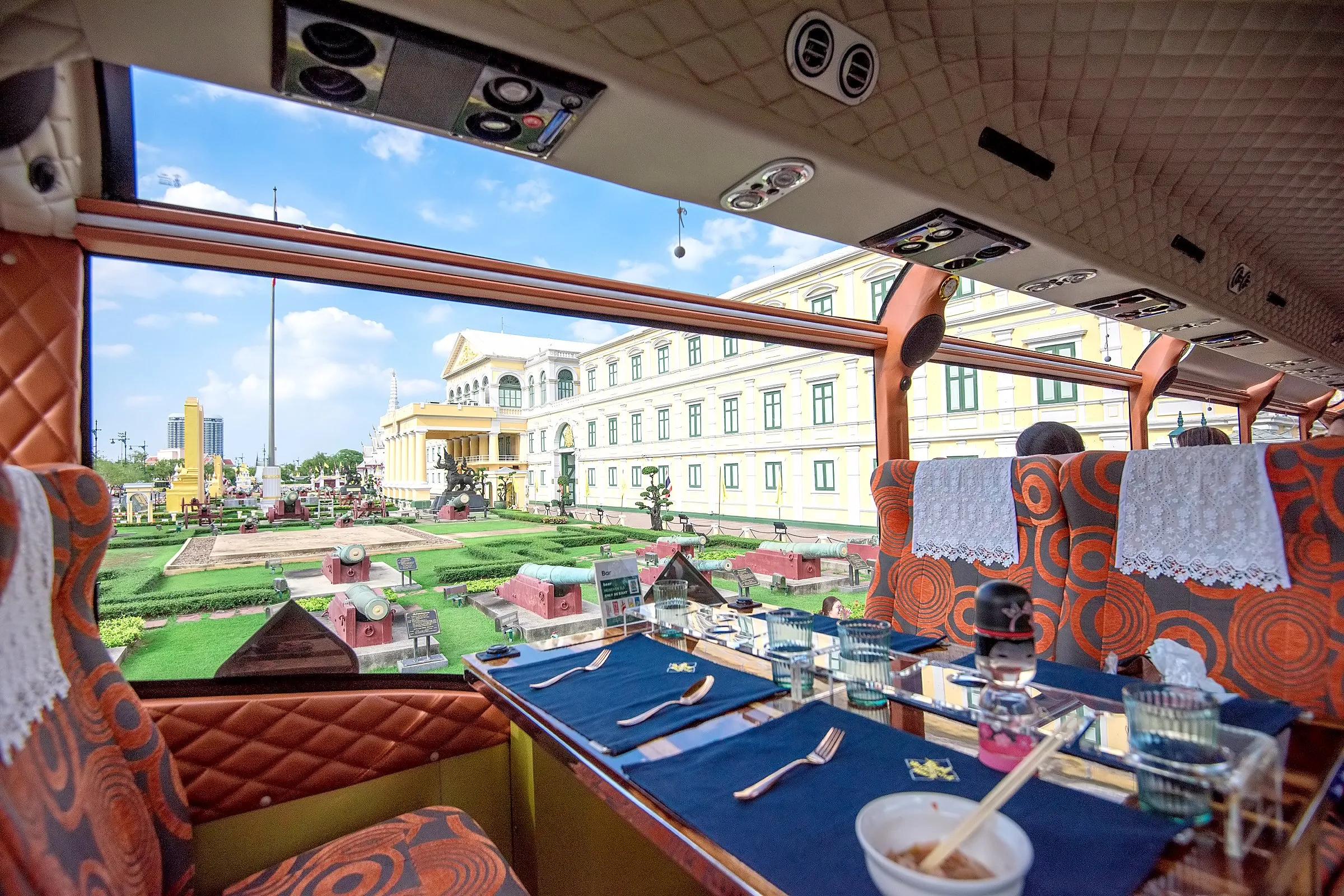
Afternoon Tea in Bangkok, Except the View Comes With You
Every afternoon tea in Bangkok offers the same thing: a lounge, a tiered stand, and a view that stays put. This one takes the view with it, past twenty landmarks.
Read more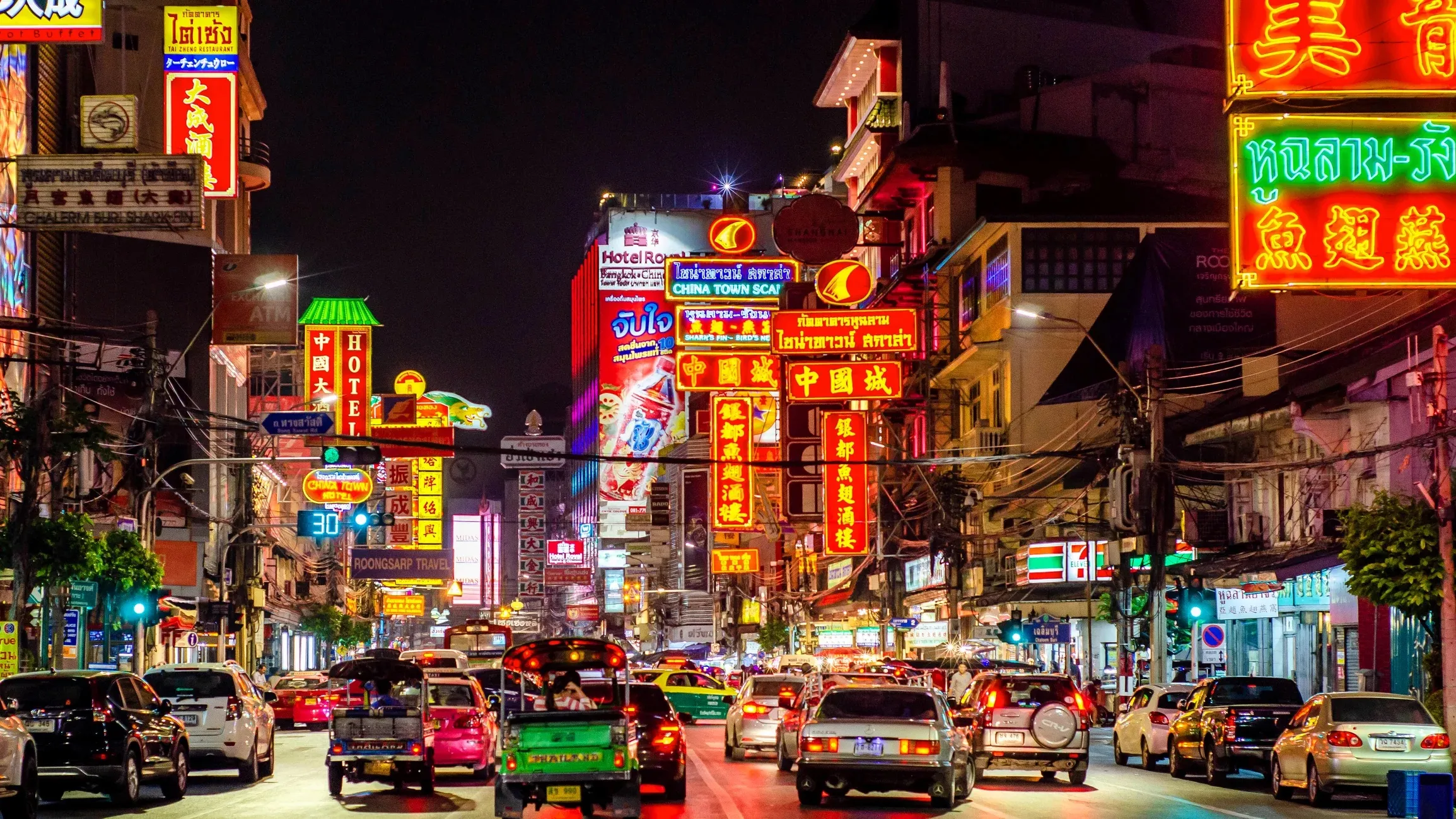
Bangkok Chinatown History: How Yaowarat Became the City's Most Delicious Street
Yaowarat exists because a king needed the land it stood on. Two and a half centuries later it's Bangkok's densest, brightest, most delicious street — here's how that happened.
Read more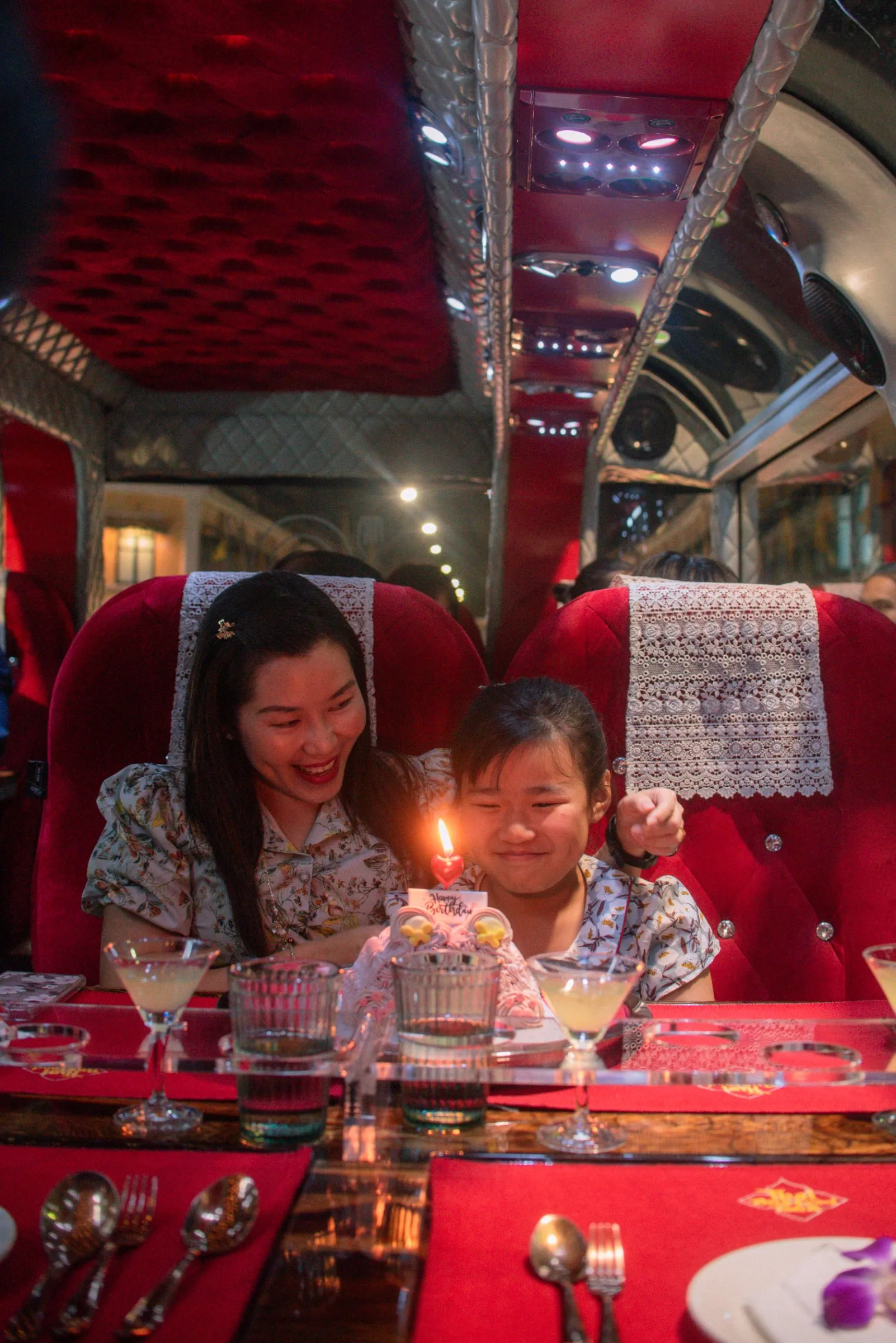
Birthday Dinner in Bangkok: The Celebration That Goes Somewhere
The problem with a birthday dinner is that everyone's been to the restaurant before. This one moves through the Old Town, so the evening has somewhere to go.
Read more